

TL;DR
- Bitcoin rangebound between $69K and $71.7K as derivatives signal defensive positioning.
- Flat funding rates and low futures premium indicate muted speculative demand and caution.
- Options show just 20% probability for $80K by April 2026, reinforcing guarded outlook.
Bitcoin jumped 4% within minutes of President Donald Trump announcing plans to temporarily de-escalate the conflict with Iran and pursue negotiations.
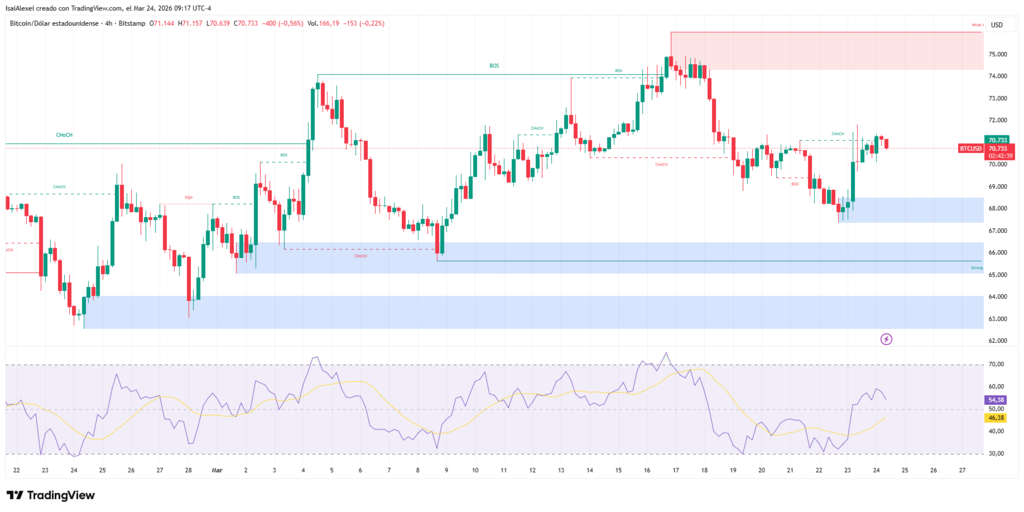
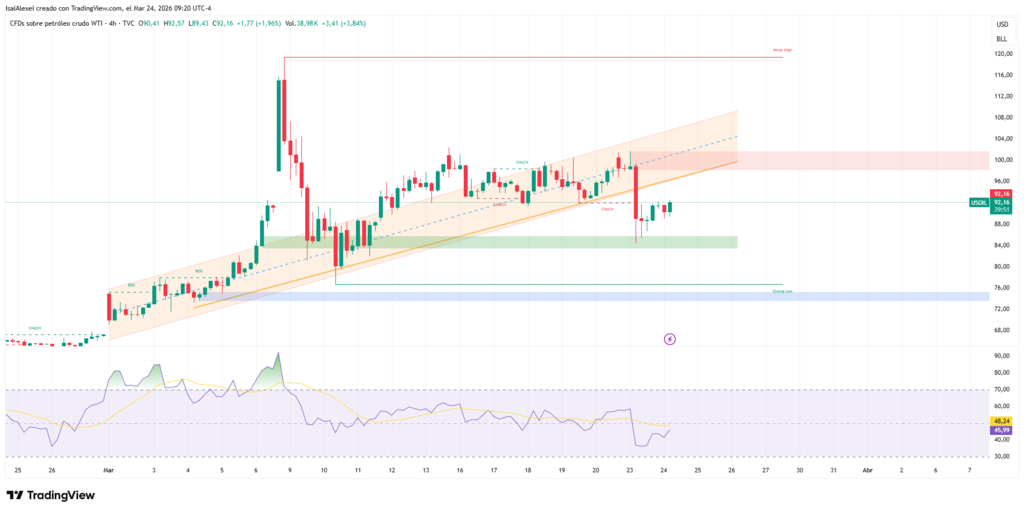
Oil prices dropped 14% to $85 per WTI barrel and the S&P 500 climbed 3%, but Bitcoin derivatives markets painted a different picture: traders remained deeply skeptical and showed little conviction in the $68,000 support level.
Bitcoin futures traded at a 2% annualized premium over spot prices on Monday, well below the neutral range of 4% to 8% that markets typically maintain to compensate for longer settlement periods.

A 2% reading signals absent demand for bullish leverage, and traders held onto the same cautious posture over the past month — even as BTC briefly touched $76,000 last Tuesday.
No single geopolitical headline reverses five months of price deterioration. The October 10, 2025 Bitcoin flash crash still lacks a confirmed explanation, and the uncertainty keeps traders treating every new development with suspicion.
The sell-off coincided with rising US import tariffs, including a 100% tariff on Chinese goods after China restricted rare-earth metal exports. Even so, $19 billion in liquidations inflicted the deepest damage, wiping out market makers and traders who held cross-margin positions.
Call Options Price In Only a 20% Chance BTC Reaches $80,000
At Deribit, the $80,000 Bitcoin call option expiring April 24 traded at 0.017 BTC, equivalent to $1,207. With 31 days to expiry and implied volatility at 48%, the market assigned just a 20% probability of Bitcoin reaching $80,000 — an unusually low expectation for a 13% monthly gain in a market where participants generally lean optimistic. The number reflects how far sentiment has shifted from the bullish positioning seen in earlier rallies.

USD stablecoins traded at a 1.3% premium against the official dollar-yuan exchange rate on Monday, below the 1.5% threshold that normally marks strong regional demand for crypto. The reading rules out a meaningful buying imbalance in Asian markets.

The Federal Reserve reinforces caution across risk assets. The Fed offered little indication of resuming its monetary easing cycle, and elevated interest rates continue to reduce consumer financing incentives while raising corporate capital costs. Monday’s 3% S&P 500 bounce gave investors insufficient reason to exit fixed-income positions.
Gold’s 21% price decline over ten days added further weight: no asset class escapes when traders simultaneously fear recession and inflation, particularly as fuel prices drag on logistics and broad sectors of the US economy.
Bitcoin needs oil prices below $75 per barrel and clearer Fed signals before traders reconsider their bearish positioning. Until both conditions align, derivatives metrics will likely reflect the same absence of conviction seen across the past five months of declining prices.
