

TL;DR
Arthur Hayes demands on-chain proof for Iran’s alleged Bitcoin toll collections.
He calls media reports “IRGC Theater” without verifiable wallet transaction evidence.
Verified state Bitcoin use would force exchanges to update sanctions screening.
A reported plan by Iran to collect cryptocurrency payments from oil tankers has divided the digital currency world. Arthur Hayes, who co-founded BitMEX, questioned whether the payments actually exist. His doubt reflects a broader concern among traders about the substance behind the claims.
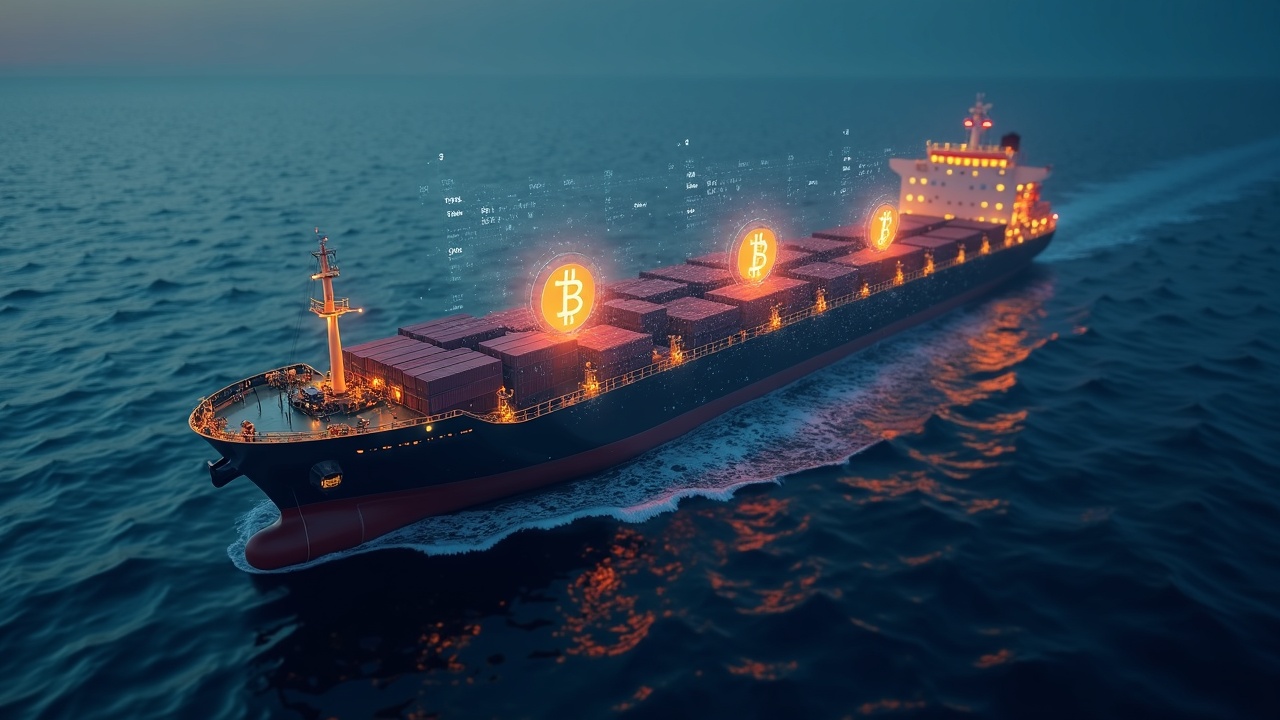
Iran said it would charge $1 per barrel of oil passing through the Strait of Hormuz. A spokesperson for Iran’s oil export union made the announcement. Tankers would email cargo details to Iranian authorities first. They would then receive a toll bill. A fully loaded supertanker could owe around $2 million. That equals roughly 281 Bitcoin at current prices.
The payment methods matter here. Iran said it would accept Bitcoin or other cryptocurrencies. Chinese yuan was also listed as acceptable. The timing window for payments was described as seconds long. This would make the money hard to track or seize under Western sanctions.
Hayes posted his challenge on social media. He said he would believe the toll claim only after seeing proof on the blockchain. A Bitcoin transaction linked to a tanker toll payment would be that proof. Without it, he called the whole thing trolling. His words carried weight given his position in the crypto industry.
The waterway normally handles about 135 ships daily. Since the ceasefire started, almost no tankers have passed through. Shipping data from Kpler shows the strait remains largely blocked. Hundreds of vessels wait outside. The two-week ceasefire has not opened the route as some expected.
Some reports mentioned earlier tanker movements. Bloomberg reporting suggested certain vessels paid tolls before the ceasefire. These payments supposedly came in Chinese yuan or stablecoins like Tether. However, no Bitcoin transactions have been confirmed on the blockchain. This gap between claims and proof bothers crypto observers.
Other accounts amplified the skepticism online
They pointed out that Bitcoin was initially featured in the announcement. Then the story quickly expanded to include any cryptocurrency or yuan. This shift raised questions about what was actually happening. Some called it geopolitical messaging rather than genuine business practice.
One commentary account linked to Israeli intelligence raised another angle. It noted that Iran listed a Trump-connected token as an accepted payment method. This potential geopolitical angle added layers of interpretation to the toll scheme.
Bitcoin’s price jumped about 5 percent when the toll reports first broke. Traders treated the news as a bullish signal. They saw it as evidence of real-world Bitcoin adoption by a major nation. The price movement showed that markets believed the story had weight.
The European Union responded with its own statement
Brussels said freedom of navigation must exist without any toll or payment. This position conflicts directly with Iran’s toll plan. It creates a diplomatic clash over the waterway.
What happens next depends on evidence. If a verifiable Bitcoin transaction appears on the blockchain, it would be significant. A major country paying for oil transit with Bitcoin would represent something new in international commerce. Right now, that proof does not exist.
Hayes and others wait to see the on-chain data. Until then, the toll plan remains unverified. The crypto community treats claims seriously but demands proof. The blockchain offers that proof when transactions actually occur. So far, the toll demands have not produced the evidence traders need to believe.
