

TL;DR
- Tether launches the open source MDK for automated Bitcoin mining.
- Collaborates with Canaan and ACME Swisstech on modular immersion-cooled systems.
- Modular units deploy in 90-120 days versus traditional 18-24 months.
Tether has announced plans to manufacture modular Bitcoin mining hardware, partnering with Canaan Inc., a Nasdaq-listed chipmaker, and ACME Swisstech to design systems that separate computational power from energy and cooling infrastructure.
The announcement signals an aggressive diversification strategy for the company behind USDT, the world’s most widely used stablecoin. Rather than remaining confined to token issuance and treasury management, Tether now aims to control manufacturing of the physical machines that secure Bitcoin’s network.
The architectural approach differs fundamentally from existing mining equipment. Most miners operate as integrated units where processor chips, power supplies, and cooling systems remain locked together. If one component fails or becomes outdated, operators must replace the entire device. Tether’s modular design untethers these systems, allowing miners to upgrade individual elements independently.
A data center operator could replace aging compute modules while keeping existing power infrastructure intact, or swap cooling systems without touching processors. Each component can optimize according to its own timeline and cost constraints, rather than forcing synchronized replacement of entire mining rigs.
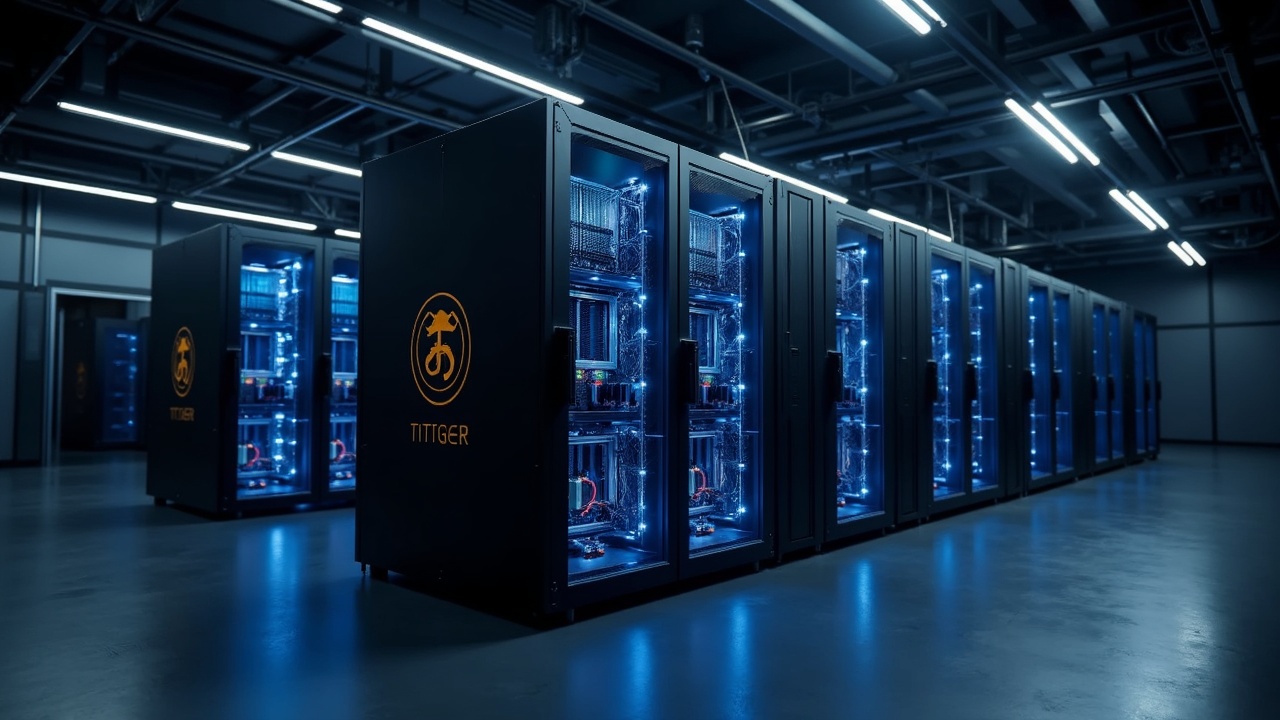
Tether provided no release timeline for the hardware or imagery of the planned designs. Lack of specifics—timelines, specifications, pricing, production capacity—leaves the announcement somewhat opaque. Whether Tether intends manufacturing at scale, supplying OEM components to existing miners, or producing proprietary rigs remains unclear.
Yet the initiative reflects a broader pattern in Tether’s business expansion. The company has moved far beyond its original function as stablecoin issuer. In recent years, Tether invested heavily in building decentralized artificial intelligence infrastructure through its QVAC technology, which enables offline AI applications and local model deployment. Mining hardware represents another vector of vertical integration, extending Tether’s control from token layer down to the physical infrastructure that secures blockchain networks.
The Logic Behind Hardware Manufacturing for a Stablecoin Company
At first glance, a stablecoin issuer manufacturing mining equipment appears incongruent. USDT’s value depends on reserve backing and network trust, not on Bitcoin’s hash rate or mining efficiency. Yet several factors explain Tether’s push into hardware.
First, Tether maintains substantial Bitcoin holdings as part of its reserve strategy. More efficient mining hardware lowers operational costs for Bitcoin miners worldwide, potentially increasing demand for Bitcoin itself and supporting its price. Second, owning manufacturing capacity provides leverage over mining infrastructure, a sector historically dominated by a handful of chip designers and equipment makers.
Third, Tether has accumulated vast cash flows from USDT issuance and sits on enormous reserves. Capital deployment into hardware manufacturing, AI infrastructure, and other physical assets represents an obvious outlet for retained earnings. Rather than allowing capital to sit idle or face regulatory scrutiny for excessive hoarding, Tether invests in infrastructure that supports crypto adoption more broadly.
The modular approach carries genuine operational advantages for miners. Data centers operating hundreds or thousands of machines face constant optimization challenges. Standardized upgrade cycles force inefficiency—retaining perfectly functional cooling systems while replacing outdated compute modules. Modularity permits granular optimization across large fleets, reducing capital expenditure over time and improving overall facility efficiency.
Tether’s announcement arrives as Bitcoin mining consolidates around larger operations with access to cheap power and capital. Independent miners struggle to compete against industrial-scale operations in places like Texas, El Salvador, and Central Asia. Hardware manufacturers like Canaan and Bitmain dominate equipment supply. By entering hardware manufacturing, Tether positions itself as a competitor in that space, potentially offering better terms or customization options to smaller operations seeking to remain viable.
