

TL;DR
- Uzbekistan opens Besqala Mining Valley with tax exemptions until 2035.
- Miners pay only 1% monthly fee, no other taxes.
- Grid electricity now allowed, not just solar power.
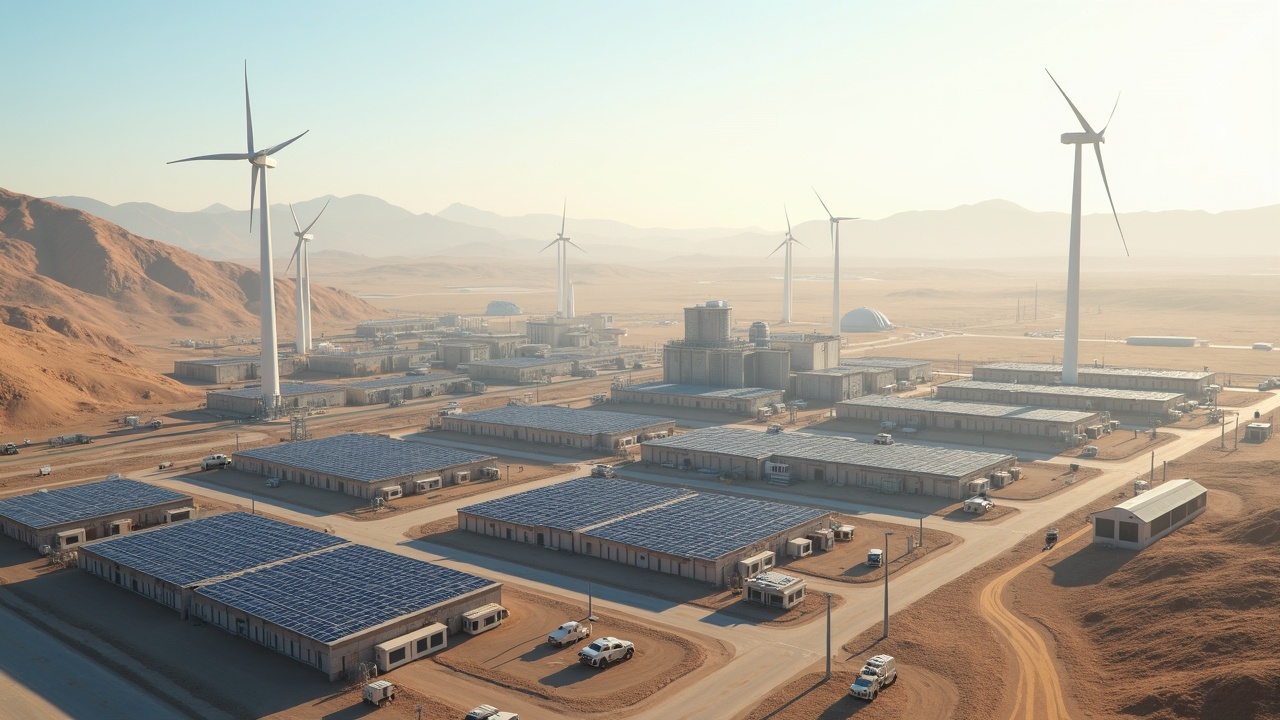
Uzbekistan opened a crypto mining zone Monday, betting that tax incentives and regulatory flexibility will draw foreign operators to Karakalpakstan. The decree creates “Besqala Mining Valley,” a supervised enclave where approved mining companies operate with minimal tax burden. The government grants miners tax exemptions lasting until January 1, 2035, while collecting only a monthly fee equal to 1% of mining income. For operators accustomed to standard corporate taxation, the offer carries real weight.
The framework loosens constraints that hobbled earlier mining efforts. In 2023, Uzbekistan’s National Agency for Perspective Projects required miners to use exclusively solar power. The new zone permits a broader portfolio: renewable sources, hydrogen, and grid electricity. Grid usage costs more, but the flexibility matters. Mining operations run optimally when energy sources match demand patterns rather than forcing operations into artificial constraints.
Miners in the zone sell mined assets on foreign platforms or through direct contracts. Revenue must flow back into Uzbekistan’s banking system. The government allows miners to exchange crypto for other liquid assets within the zone, maintaining some operational fluidity while ensuring capital does not simply vanish into offshore accounts. The directorate under Karakalpakstan’s Council of Ministers oversees resident status applications and zone operations.
Regional Development Through Special Zones
The mining initiative fits a larger pattern. Uzbekistan has deployed special economic zones as development tools across Karakalpakstan for years. In November 2025, the government established a separate tax-free zone targeting artificial intelligence and data center companies. Foreign firms committing $100 million or more receive full tax and duty exemptions through 2040. Uzbekistan expects over $1 billion in foreign AI investment by 2030 from that program alone.
The strategy addresses genuine economic hardship. A 2025 United Nations Development Programme report documented high poverty rates and limited industrial capacity in Karakalpakstan. The region lacks the manufacturing base or financial services infrastructure of other areas. Special zones offer shortcuts. They attract capital without requiring decades of conventional development. A mining operation or AI center employs workers, generates tax revenue, and signals economic activity.
The mining zone operates within state controls. Revenues cannot freely exit the country. Operators must register with authorities and comply with reporting requirements. Uzbekistan wants foreign investment capital and employment generation, not capital flight. The tax exemption expires in 2035, forcing operators to reassess long-term viability before that date arrives.
Whether miners actually relocate to Karakalpakstan depends on competition from other jurisdictions. El Salvador offers Bitcoin mining incentives. Kazakhstan permits mining with minimal restrictions. Paraguay attracts operations through cheap hydroelectric power. Uzbekistan competes in a crowded market where tax rates matter but infrastructure, energy reliability, and political stability matter equally. The decree removes one barrier. Others remain.
The AI zone strategy may succeed more readily
Data center operations require stable electricity, digital infrastructure, and locations distant from densely populated areas. Karakalpakstan satisfies those conditions. Foreign AI companies building regional hubs could anchor economic development. Mining offers less certainty. Miners shift operations constantly. They follow energy prices and equipment availability. A tax holiday means less if hash rates collapse or mining difficulty spikes beyond profitability.
Uzbekistan’s dual approach—mining and AI zones—suggests policymakers recognize no single sector will revive the region alone. Multiple special zones attract different types of operators. Some succeed. Others close. The government retains flexibility to adjust terms, add sectors, or modify incentives based on what actually works. For Karakalpakstan, where alternatives remain limited, even partial success in drawing foreign capital constitutes progress.
